Challenging Conditions
Cold Nights and Frost: When Balcony Plants Need Protection
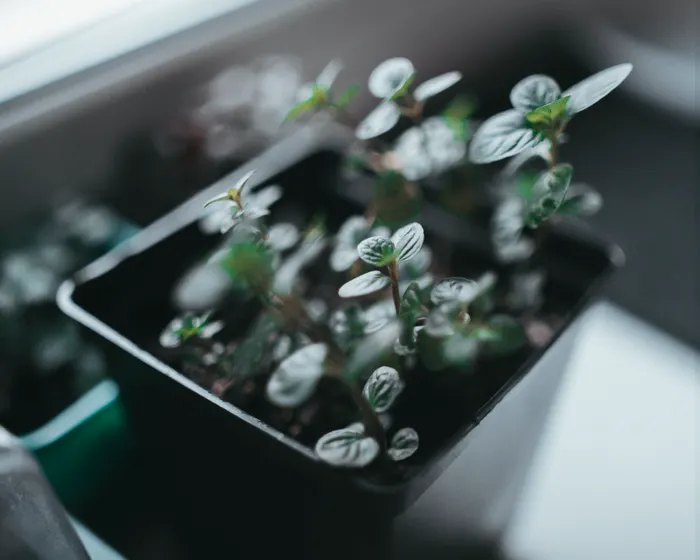
Balconies can be warmer than nearby yards because buildings release heat, or colder because containers and elevated spaces are exposed to wind. A city weather forecast is therefore a warning, not a precise measurement of conditions around every pot. Knowing which plants are tender and preparing a simple response before nightfall is safer than improvising after frost forms.
Warm-season crops such as basil, tomatoes, peppers, beans, cucumbers, and eggplants can suffer chilling before temperatures reach freezing. Cool-season lettuce, spinach, peas, parsley, kale, and many brassicas tolerate cooler air, although their exact hardiness depends on variety, maturity, acclimation, moisture, and duration of cold. A plant recently moved from a greenhouse is more vulnerable than one gradually exposed to outdoor conditions.
Follow a reliable local forecast and any freeze or frost advisories. A small outdoor thermometer placed out of direct sun can reveal how the balcony differs, but inexpensive instruments are not official weather stations. Check the forecasted low, wind, cloud cover, and how many hours cold conditions may persist. Containers cool faster than ground soil, placing roots at additional risk.
The simplest protection is relocation. Bring manageable pots into an enclosed, appropriate space overnight, checking first for insects and water draining from saucers. A cool interior location for one night is usually less disruptive than leaving a tender crop exposed. Do not bring fuel-burning heaters, open flames, or unsafe electrical devices onto a balcony. Never block an exit with plants.
For containers that cannot move, group them near a sheltered wall and wrap the outside of pots with horticultural fleece or another dry insulating material while keeping drainage open. Cover foliage with frost cloth supported so it does not crush stems. Extend the cover toward the container to trap some ground or wall heat, and secure it against wind without attaching it unsafely to the building. Plastic touching leaves can transmit cold and collect condensation; if used as an outer rain layer, keep it supported away from foliage and provide ventilation.
Water management matters. Plants in very dry mix can be stressed, but saturated containers in cold conditions also suffer. Check moisture earlier in the day and water only when needed, allowing time to drain before night. Do not fertilize a stressed plant in hopes of creating instant cold resistance.
Remove or vent covers after temperatures rise so plants do not overheat in sun. Inspect damage after tissues thaw. Water-soaked, blackened leaves may be lost, but avoid aggressive pruning until the full extent is clear and another cold night has passed. Some roots or lower buds may survive even when top growth looks poor.
Season extension has practical limits. When cold nights become frequent, harvest remaining warm-season produce and transition containers to suitable cool-season crops or winter storage. Label any perennial moved into protection and continue checking its moisture, since dormant or slow-growing roots still should not remain completely neglected. Keep weather notes for next year. Protection works best for an occasional marginal night, not as a promise to maintain summer indefinitely.