Everyday Plant Care
How to Fertilize Edible Container Plants Without Overdoing It
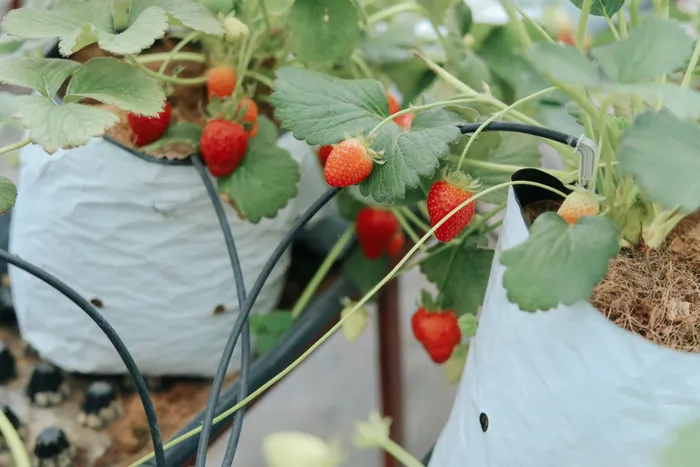
Potting mix provides roots with structure, water, and air, but its nutrient supply is limited. Some commercial mixes include a starter fertilizer, while others contain little nutrition. Because water drains through containers and crops remove nutrients as they grow, most edible balcony plants eventually need feeding. The safest approach is to understand the product already in the pot and apply one suitable fertilizer according to its label.
Read the potting-mix bag first. A mix labeled with slow-release fertilizer may support plants for a stated period. Adding another full-strength product immediately can expose roots to excessive salts. If the mix contains no fertilizer, begin feeding after seedlings or transplants establish, using timing appropriate to the product and crop. Seedlings in particular are sensitive to strong solutions.
Fertilizer labels show three primary numbers representing nitrogen, phosphorus, and potassium by percentage. Plants also need other nutrients, but the largest number is not automatically the best value. Leafy crops use nitrogen to build foliage, while tomatoes and peppers need balanced growth rather than an endless push of leaves. A complete fertilizer labeled for edible container vegetables is a practical general choice. Follow its crop, container, frequency, dilution, and safety directions.
Slow-release granules provide nutrients gradually and reduce how often feeding is needed. Water-soluble products act more quickly and offer flexible dosing, but they are easier to overapply. Do not use both at full schedules unless the labels and product guidance specifically support the combination. Homemade mixtures vary widely and can introduce odors, pests, excess salts, or unsuitable nutrient levels to a balcony.
Apply fertilizer to moist growing medium unless the label directs otherwise. Concentrated fertilizer contacting dry roots can cause damage. Measure rather than pouring by eye, and never increase the rate to compensate for weak light, cold weather, poor drainage, or an undersized pot. Those conditions limit growth for reasons fertilizer cannot solve.
Watch plant response over time. Pale older leaves can be associated with low nitrogen, but they can also result from saturated roots, natural aging, or disease. Brown leaf edges may follow excess fertilizer, drought, or heat. White crust on the soil or pot can indicate accumulated minerals. Diagnosis should begin with watering, drainage, root space, temperature, and pest inspection rather than an automatic extra dose.
Periodic thorough watering that drains freely can help prevent salts from building up, provided runoff is captured and the plant is not already waterlogged. Self-watering systems may have specific flushing instructions. At season's end, do not assume old mix retains a balanced nutrient supply; refresh it appropriately before another crop.
Keep fertilizers in their original labeled containers, dry, closed, and away from children and pets. Wash hands after use and keep products off edible leaves and fruit unless the label describes foliar application. Record application dates so two household members do not feed the same pot twice. Reliable consistency matters far more than novelty. Effective feeding is deliberately ordinary: one known product, measured accurately, used only as often as healthy growth and the label require.