Seed Starting
Starting Seeds Indoors for a Balcony Container Garden
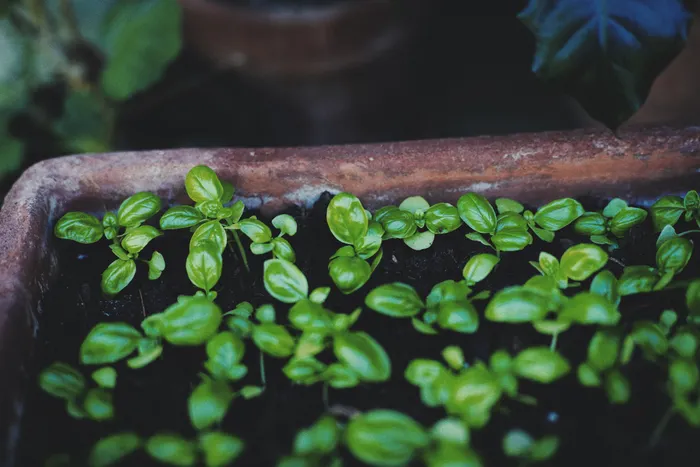
Starting seeds indoors gives balcony gardeners access to more varieties and a head start on crops that need a long warm season. It also introduces new requirements: strong light, clean materials, careful timing, and enough indoor space for seedlings to grow before outdoor conditions are suitable. A small, focused setup is more dependable than trays of plants with nowhere to go.
Choose crops that benefit from transplanting. Tomatoes, peppers, eggplants, and many herbs are common indoor starts. Lettuce and brassicas can also be started inside for an early crop. Beans, peas, radishes, carrots, and other fast or root-sensitive crops are usually simpler to sow directly in their final containers. Check each seed packet because variety and regional timing matter.
Work backward from the appropriate outdoor transplant window. The packet may suggest starting a certain number of weeks before the local last frost or another seasonal marker. Local extension guidance provides better regional context than a single national calendar. Starting too early creates oversized, root-bound seedlings that require more light and space; starting slightly later often produces compact plants that catch up after transplanting.
Use clean containers with drainage and a fresh seed-starting mix. Small cells conserve space, but they dry quickly and may need potting up before outdoor planting. Moisten the mix, sow at the labeled depth, and identify every variety and date. A clear cover can retain moisture during germination, but remove or vent it once seedlings emerge to improve airflow.
Light is the usual limiting factor. A bright window often produces seedlings that lean and stretch. A purpose-made grow light positioned according to its instructions can provide more consistent intensity. Keep it on a timer for a regular day-night cycle, adjust its height as plants grow, and follow electrical safety guidance. Hot lamps, damaged cords, overloaded outlets, and water near connections have no place in the setup.
Keep the mix evenly moist, not saturated. Bottom watering can reduce disturbance, but empty standing water after the mix absorbs what it needs. Gentle airflow may help seedlings develop sturdier stems and reduce persistent surface dampness. If many seedlings collapse at the soil line, review sanitation, watering, crowding, and airflow rather than adding fertilizer.
Begin feeding only when seedlings have true leaves and the mix or product guidance indicates a need. Use a fertilizer labeled for seedlings at the recommended dilution. Pot up plants when roots fill their cells, holding them by leaves rather than squeezing delicate stems. Provide enough space between pots so foliage does not remain crowded.
Before seedlings move outside permanently, they must be acclimated to direct sun, wind, and temperature changes. Indoor seed starting is therefore the first half of a process, not a shortcut around seasonal conditions. Keep one or two backup seedlings briefly, but avoid maintaining extras until they become crowded and weak. Share healthy surplus plants only when recipients know the variety and care requirements. Start only the number of plants the balcony can support at mature size, and each seedling can arrive outdoors compact, labeled, and ready for its final container.