Challenging Conditions
What to Grow on a Balcony with Only Partial Shade
Partial shade does not make a balcony useless for food gardening. It changes which harvests are realistic. Fruiting plants generally need more solar energy than plants grown for leaves or tender stems, so a shaded gardener should favor crops that can produce a useful harvest without spending months trying to ripen fruit.
Begin with a sunlight map rather than a compass direction. A north-facing balcony can receive reflected light, while a south-facing recessed space may be shaded by the balcony above. Count direct sun separately from bright ambient light and note whether it arrives in the cool morning or hot afternoon. Four gentle morning hours create different conditions from four intense late-day hours against a reflective wall.
Leaf lettuce, arugula, spinach, mustard greens, baby kale, bok choy, and other leafy crops are logical candidates. They still need light, but many remain productive with fewer direct-sun hours than tomatoes or peppers. Partial shade can slow growth, so provide reasonable spacing and avoid constant wetness. Harvest outer leaves or baby greens and replant small batches as weather changes.
Several herbs tolerate moderate light. Parsley, cilantro, chives, mint, chervil, and lemon balm can be more forgiving than rosemary or basil in a dim location. Mint and lemon balm should remain in their own pots because they spread vigorously. Cilantro prefers cooler seasons and may actually last longer when protected from hot afternoon sun. Basil can grow in partial sun but often becomes less compact and productive, so reserve the brightest available position for it.
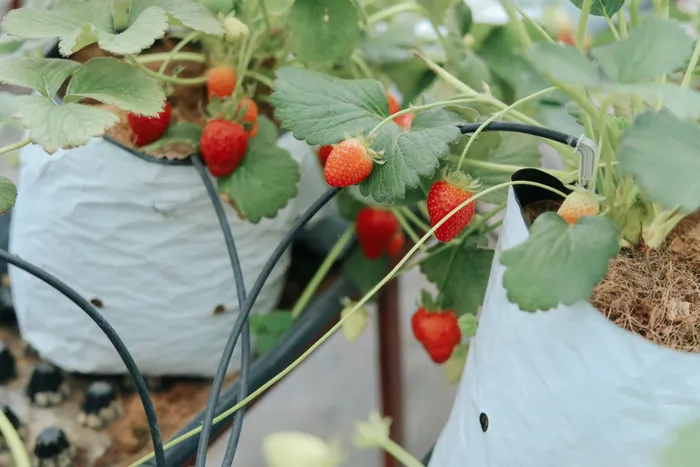
Radishes, baby beets, scallions, and short carrots are worth testing where the space receives several direct hours. Expect roots to mature more slowly, and do not crowd them. Peas may perform in a bright cool-season location, particularly if their foliage reaches an illuminated railing, but weak light can reduce flowering. Strawberries may survive and bloom in partial shade while producing fewer or less sweet berries than they would in stronger light.
Use vertical placement to capture available light. A sturdy freestanding shelf can lift greens above a solid balcony wall, provided it is stable and permitted. Rotate pots a quarter turn periodically when plants lean strongly, but do not move them constantly between radically different exposures. Light-colored nearby surfaces can brighten the area, although mirrors or highly reflective materials may create glare and heat hazards and are unnecessary.
Water shaded containers based on actual moisture. They often dry more slowly, making a sunny-balcony schedule inappropriate. Good drainage, moderate pot size, and space between leaves help prevent persistent dampness. Fertilizer cannot compensate for inadequate light; excess feeding in shade can create soft, weak growth.
Treat the first season as a trial. Grow small amounts of several leafy crops, label them, and record harvest quality. Compare stem length, leaf color, flavor, and days to harvest across positions. If one ledge performs better, reserve it for the most light-sensitive crop next time. The best partial-shade garden is built around what the balcony demonstrates it can support, not around a catalog image produced in full sun.