Seasonal Planning
A Year-Round Planning Calendar for Balcony Food Gardens
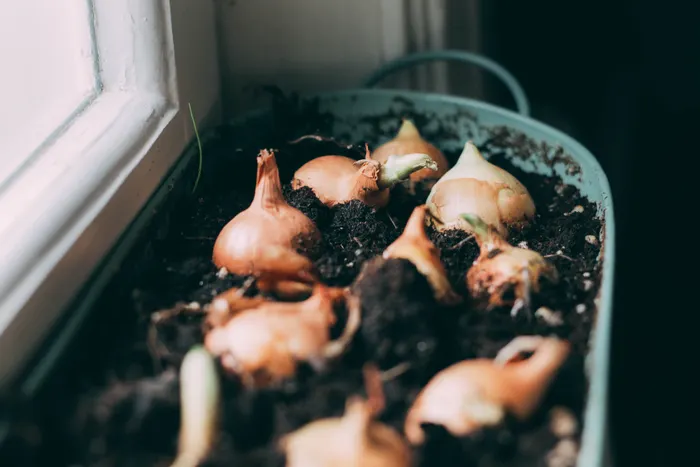
There is no single planting calendar for the United States. A January balcony in Miami, Denver, and Minneapolis presents three different growing environments, and even neighboring balconies vary in wind and reflected heat. A useful year-round calendar is therefore a sequence of decisions tied to local conditions rather than a national list of fixed dates.
In the quietest part of the local growing year, review notes and map the next layout. Confirm building rules, measure sun again, inspect containers, and choose varieties by mature size and days to maturity. Order only the seeds the space can support. Find regional frost dates and seasonal guidance from a local extension service, then treat those dates as probability ranges rather than guarantees.
Six to twelve weeks before the main outdoor planting window, start only crops that benefit from indoor lead time, such as peppers or tomatoes. The exact timing comes from the seed packet and local season. Clean equipment, test grow lights, and inventory potting mix. Direct-sown roots and beans can wait. In warm-winter regions, this same period may already support cool-season outdoor crops.
As outdoor conditions moderate, sow suitable greens, radishes, peas, cilantro, or parsley. Acclimate indoor seedlings gradually. Recheck nighttime temperatures before transplanting warm-season crops. Prepare supports and final containers first, because installing them around mature roots is harder. Keep a small reserve of mix for settling and later replacements.
During the active warm season, shift from setup to observation. Check moisture, harvest regularly, inspect leaves, and feed according to product directions. Sow small successions where weather allows. When heat becomes extreme, protect roots and accept that cool-season plants may finish. In regions with mild summers, this may instead be the garden's longest production period.
In late summer, identify the first likely cold window and count backward for fall crops, adding time for slower growth under shortening days. Remove exhausted plants, refresh healthy containers, and sow greens or roots suited to the remaining season. Warm climates may begin their most productive planting period as northern gardens prepare for frost.
When cold or a seasonal heat shutdown arrives, harvest, clean, and decide which perennial plants are worth carrying forward. Protect containers according to regional conditions. Store supports, sanitize materials associated with disease, and keep drains and exits clear. Indoor herbs need adequate light and pest inspection; bringing every outdoor plant inside is not automatically the best choice.
Once each month, update four records: what is growing, what was harvested, which problems appeared, and what conditions changed. Add sowing and expected maturity dates. This turns the calendar into a feedback loop. If lettuce consistently bolts by May or a railing box dries twice as fast in August, next year's plan can respond.
The calendar's purpose is not continuous maximum production. It coordinates preparation, planting, care, transition, and rest with the balcony's real climate. Review it quarterly and move tasks when actual weather departs from expectations. By anchoring decisions to local weather and recorded experience, a renter can plan a productive year without pretending every region follows the same seasons.