Containers and Soil
Choosing Containers That Work in a Small Outdoor Space
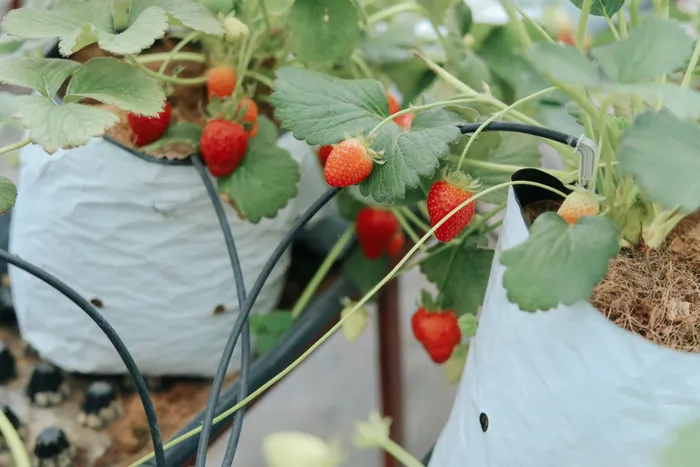
The best balcony container is not necessarily the prettiest pot in the garden center. It is the one that gives a plant enough root room, drains reliably, fits the available footprint, and can be moved or maintained without creating a nuisance. On a small balcony, every container should earn its place.
Begin with volume rather than diameter alone. A shallow bowl may be wide but still dry too quickly for tomatoes or peppers. Leafy greens and many herbs tolerate shallower containers, while fruiting plants usually perform more consistently in deeper pots with greater soil volume. Seed packets and plant labels often provide spacing guidance for garden beds; in containers, root volume and moisture stability matter just as much. When uncertain, choose the larger practical option rather than crowding several demanding plants into a decorative pot.
Plastic and resin containers are useful for renters because they are lightweight, retain moisture better than porous clay, and come in many sizes. Fabric grow bags drain readily and store flat, but their exposed sides can dry quickly in sun and wind. Glazed ceramic pots hold moisture well and can be attractive, yet they become heavy when filled. Unglazed terra-cotta allows air and moisture to move through its walls, which may benefit some herbs but increases watering demands. Metal containers can heat rapidly in direct sun and should not be assumed safe for roots simply because they look durable.
Every container needs unobstructed drainage holes. A layer of gravel at the bottom does not substitute for drainage and can reduce the useful soil depth. Use a saucer only where runoff must be controlled, and empty standing water after the pot has drained. If the lease or building rules prohibit dripping over a railing, place containers where they can drain into trays that you can monitor. Never attach a heavy planter to a railing unless the hardware, railing design, and building rules clearly allow it.
Think about mature weight before filling a pot. Wet potting mix, water reservoirs, plants, and ceramic materials add up quickly. Building-specific load questions belong with the property manager or another qualified source; do not guess. Within ordinary use, distribute containers instead of clustering every large pot in one corner, keep exit paths clear, and avoid anything that could fall in wind.
Shape influences usability. Square pots fit closely together, while round pots leave gaps that can collect tools or smaller containers. Tall narrow planters offer depth but may tip unless their base is stable. Window boxes and railing planters conserve floor space but dry faster and face greater wind exposure. Self-watering containers can reduce daily maintenance, provided their reservoirs have overflow protection and are cleaned periodically.
Before purchasing, measure the balcony door, available floor area, railing height, and the space needed to walk, sit, and water. Choose a small family of compatible sizes rather than many unrelated pots. Matching saucers and predictable soil volumes make watering easier. A thoughtful container set turns limited square footage into an organized growing area instead of an obstacle course.