Planning Your Space
How to Map Sunlight on Your Balcony Before You Plant
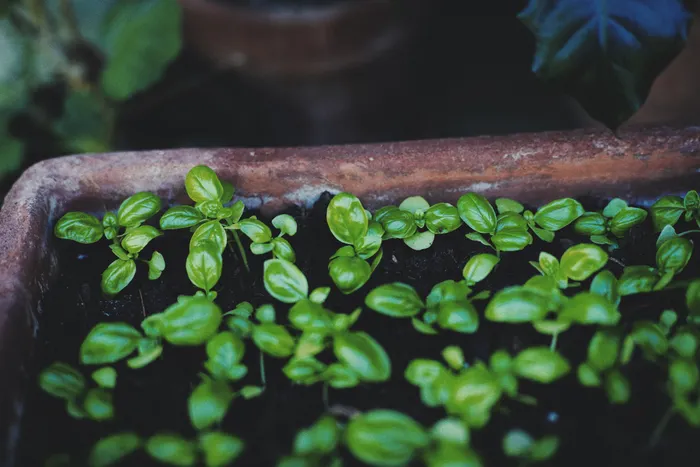
A balcony can look sunny without providing the kind of light an edible plant needs. A bright view at noon may come after a shaded morning, and a neighboring building can cut off direct sun weeks later as the season changes. Before buying seedlings, spend a few days learning how light actually moves across your space. That simple observation prevents many of the disappointments blamed on soil, fertilizer, or an allegedly difficult plant.
Start by separating direct sun from general brightness. Direct sun creates a defined shadow and reaches the leaves without passing through a roof, wall, tree canopy, or window. Bright shade is useful, but it does not count as direct sunlight. On a clear day, check the balcony every hour or two from morning through late afternoon. Note which areas receive direct light and when. Repeat the exercise at least once on a weekday and once on a weekend if surrounding blinds, awnings, or activity patterns change the conditions.
Record the results on a rough sketch. Mark the railing, exterior wall, door, and any permanent objects, then shade the areas receiving two, four, six, or more hours of direct sun. A phone photo taken from the same position at several times can make the pattern easier to compare. Remember that upper shelves may receive light while the floor remains shaded, and railing planters may face different conditions from containers placed against the wall.
Use the map to choose crops, not to judge the space. Six or more hours of direct sun can support fruiting crops such as compact tomatoes, peppers, bush beans, and strawberries. Roughly four to six hours often works well for many herbs, leafy greens, scallions, and some root crops. A balcony with only a few hours of gentle morning light is still useful for lettuce, arugula, parsley, cilantro, mint, and other plants grown mainly for leaves. Results vary with heat, latitude, season, and reflected light, so treat these ranges as starting points rather than guarantees.
Also note the intensity of the exposure. A west-facing balcony in a hot climate can become far warmer than the air temperature suggests because walls and paving release stored heat. A high-rise balcony may receive strong sun along with drying wind. Conversely, a recessed balcony may stay cool even when it technically gets several sunny hours. These conditions affect container size and watering frequency as much as crop choice.
Recheck the map near the beginning of each growing season. The sun's path changes, deciduous trees gain leaves, and nearby construction can alter shadows. Keep the original notes so you can compare them with plant performance. If basil stretched toward the railing or lettuce scorched against a reflective wall, add that information to next season's map.
The goal is not to find a perfect location. It is to match each part of the balcony with a plant likely to succeed there. Once you know where the strongest, mildest, and most consistent light falls, container placement becomes a practical decision rather than a guess.