What to Grow
How to Grow a Compact Tomato Plant on a Balcony
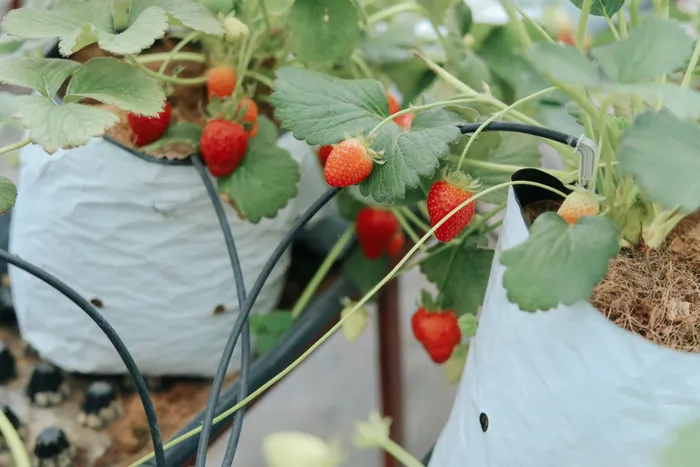
Tomatoes can grow well on a balcony, but success begins with a variety suited to the space. A vigorous indeterminate vine may outgrow its support, shade neighboring plants, and demand a much larger root volume than expected. Compact determinate, patio, dwarf, and some micro-dwarf varieties provide a more manageable first project while still offering the experience of harvesting ripe fruit.
Read the variety description rather than relying on a generic “tomato” label. Determinate plants usually reach a defined size and ripen much of their crop within a concentrated period. Dwarf varieties can have sturdy stems and full-sized fruit on shorter plants. Micro-dwarfs fit very small spaces but yield less. Cherry fruit does not guarantee a small plant; many cherry tomato vines grow tall. Choose based on mature plant habit, days to maturity, and regional season length.
Give the plant a substantial container with unrestricted drainage. The exact volume depends on variety, climate, and container design, but a compact tomato generally performs more reliably with several gallons of quality potting mix than in a small decorative pot. Greater volume buffers heat and drying. Use a stable container that will not become top-heavy, and install the cage, stake, or other freestanding support at planting time to avoid damaging established roots later.
Tomatoes prefer abundant direct light. Place the container in the sunniest suitable location identified on the balcony map, while watching for extreme reflected heat. Acclimate a greenhouse-grown transplant gradually over several days instead of moving it immediately into intense sun and wind. Plant at the depth recommended for the transplant and variety; tomatoes can form roots along buried stems, but an oversized deep pot is not a substitute for good soil and drainage.
Water thoroughly whenever the root zone approaches dryness. Large swings between very dry and saturated conditions stress the plant and can contribute to fruit problems. A surface mulch and consistent morning checks help. Feed with a fertilizer labeled for edible container plants, following its directions. More nitrogen can produce impressive leaves without improving fruiting, so do not increase rates casually.
Most modern tomatoes can set fruit without another tomato plant because the flowers contain both reproductive parts. Gentle air movement or a light tap on flower clusters can help release pollen in a sheltered location. Excessive heat, cold, or humidity can still reduce fruit set. These are environmental responses, not necessarily signs that the plant needs more fertilizer.
Inspect leaf undersides and stems weekly. Remove fallen leaves, keep foliage off persistently wet surfaces, and provide space for airflow. Pruning depends on plant type: aggressive removal of side shoots can reduce the productive structure of a determinate or dwarf tomato. Follow the breeder's guidance and limit pruning to damaged, diseased, or badly congested growth unless the variety clearly benefits from training.
Harvest when fruit reaches the expected mature color and yields slightly to gentle pressure. If severe weather threatens, mature green fruit can often finish ripening indoors. A compact tomato will not feed a household by itself, but a properly matched variety in a generous, supported container can produce a rewarding crop without taking over the balcony.