What to Grow
Growing Salad Greens in Containers for Repeat Harvests
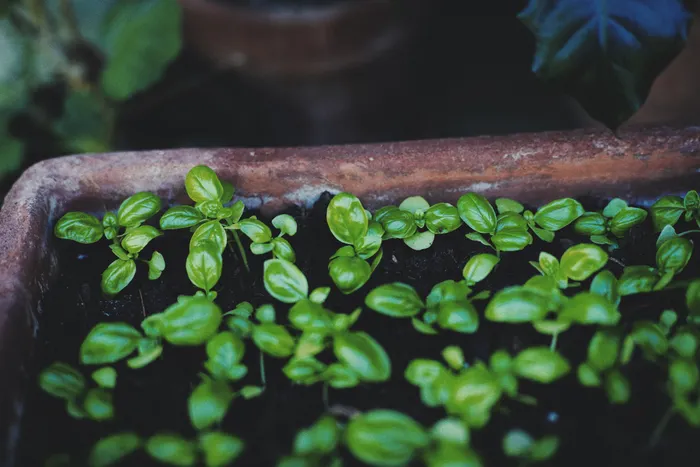
Salad greens are among the fastest edible crops for a balcony, especially when the space receives morning sun or bright partial shade. Lettuce, arugula, spinach, mustard greens, and Asian greens can grow in relatively shallow containers because they are harvested before developing large root systems. The key is to grow modest batches in suitable weather instead of planting one container and expecting it to remain tender indefinitely.
Choose a wide container with several drainage holes and roughly six to eight inches of growing medium for baby leaves. Deeper mix holds moisture more steadily and supports plants kept for larger heads. Fill it with fresh, pre-moistened container mix, level the surface gently, and follow the seed packet's depth guidance. Tiny lettuce seeds need only a light covering. Water with a fine spray or gentle stream so seeds remain in place.
Decide whether the goal is baby leaves or mature plants. For cut-and-come-again harvests, sow seeds in short rows or scatter them thinly, then remove crowded seedlings as they emerge. Dense growth may look productive at first but restricts airflow and produces weak leaves. For full heads or larger rosettes, give each plant the spacing listed for its variety. The thinnings are edible once properly identified and clean.
Keep the surface consistently damp during germination without leaving the container waterlogged. After roots establish, water when the upper mix begins to dry. Lettuce has shallow roots and can turn bitter or bolt quickly under heat and drought stress. In warm regions, use the coolest part of the balcony, provide afternoon shade, and favor heat-tolerant varieties, but recognize that midsummer may simply be the wrong season. In cold regions, spring and fall are often the easiest windows.
Harvest baby greens when leaves are several inches tall. Use clean scissors to cut above the growing point, leaving the lowest healthy leaves and center intact. The planting may regrow for additional cuts, although later harvests can be smaller or stronger flavored. Alternatively, pick a few outer leaves from individual plants. Stop harvesting any plant that shows decay, unusual spotting, pest contamination, or other signs that merit diagnosis.
For a steady supply, practice succession sowing. Plant a small section every ten to fourteen days rather than filling every container at once. Label the date and variety. When an older section becomes tough, bolts, or declines, remove it, refresh the surface, and replant if the season remains suitable. Rotating among lettuce, arugula, spinach, and mild mustard types adds variety without requiring more space.
Watch for aphids beneath leaves, leaf miners within pale tunnels, and slugs where they can reach low balconies or patios. Use physical removal and sanitation first, and identify a pest accurately before choosing any treatment. Rinse harvested leaves under clean running water and handle them as you would store-bought produce.
Repeat harvests come from timing more than from forcing a single plant to last. Small sowings, reasonable spacing, even moisture, and a willingness to replant as weather changes turn one balcony box into a continuing source of fresh greens.